by Alexander Christiani
With great fascination I am currently reading a book by the well-known German long-time foreign journalist Erich FOLLATH about „The Last Dictators“ with the subtitle „As a reporter with the tyrants of our time“
In 50 years of his work, Follath has met numerous dictators in the 20th century, interviewed and written about their personality, analyzed and created psychograms about them.
As different as they were in their claims to power, the author has found a number of characteristics in all of them:
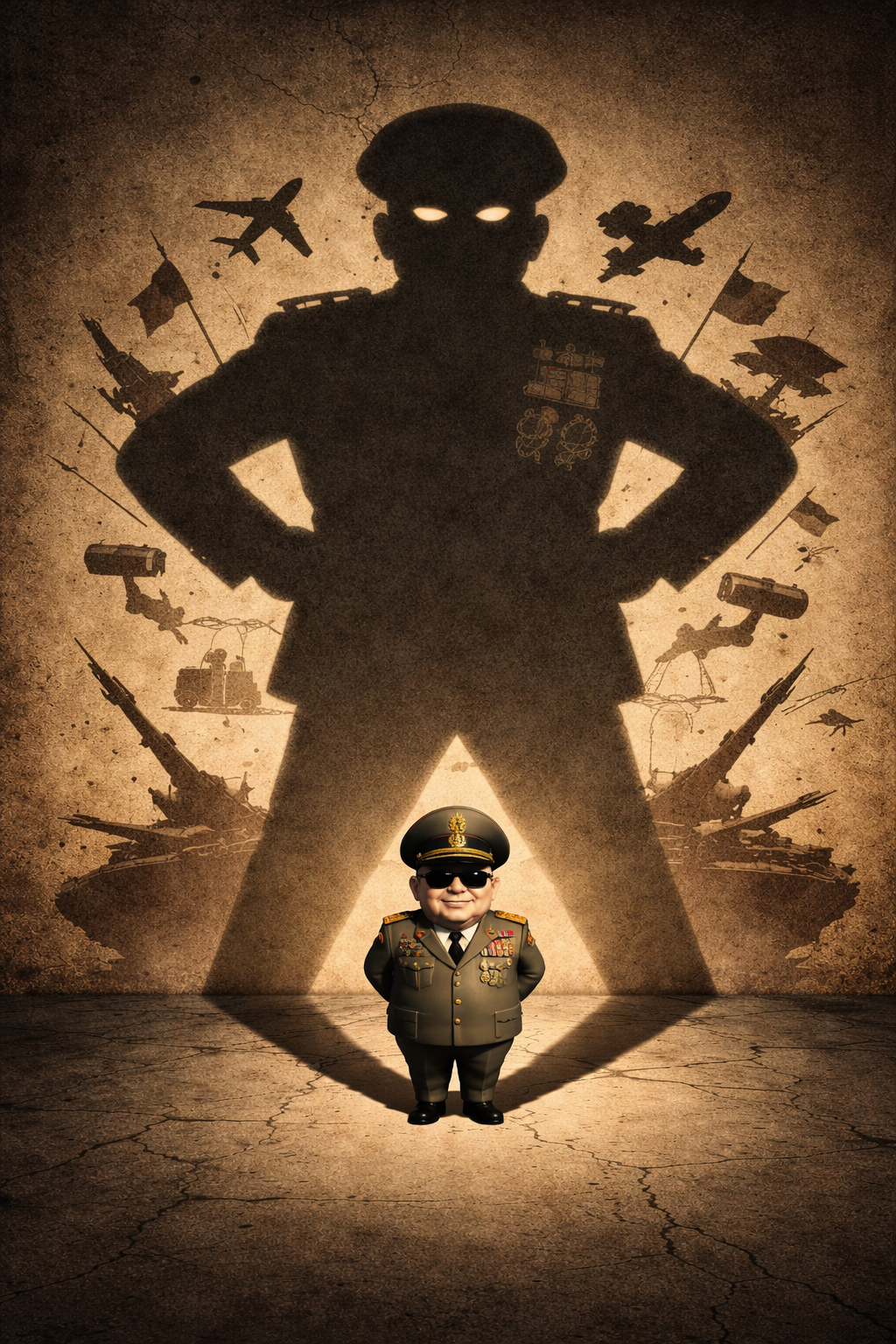
Paranoia syndrome „the shifting of blame to others, the inability to take responsibility for one’s own mistakes. It is a „narcissistic triad“ of denial, distorting, projecting onto others. There is nothing worse for the paranoid than to be insignificant, he prefers by far to be persecuted rather than ignored.“
Follath writes“ what unites all dictators in this book for me is their dealings with dissenters, their inability to critically rethink their own path – and a surprisingly personal colorlessness. Behind the colorlessness, at least it seemed to me, nothing was hidden, a total emptiness.“
„For all dictators, the increasing isolation after the duration of the period of government, according to personality, leads to a more or less strong loss of reality, to an overestimation of one’s own possibilities“
„This distorted self-importance, which not only results in blatant political wrong decisions for many dictators, but often results from isolation the tendency to megalomania, the desire for an all-encompassing personality cult“
„In my research,“ says Follath, „the ideas of omnipotence also turned out to be characteristic of many despots. They culminate in the conviction that the governed country is „private property“, that one can help oneself from the state treasury because one ultimately represents the state“
A rogue who thinks evil or even tries to draw parallels to a man from a country which was once universally regarded as a role model for the world …