Austria, Neutrality, and the Strategic Choices of a New Era
Review of the Lecture with Velina Tchakarova on “The European and Austrian Security Situation”at the Diplomatische Akademie, on 15 January 2026.
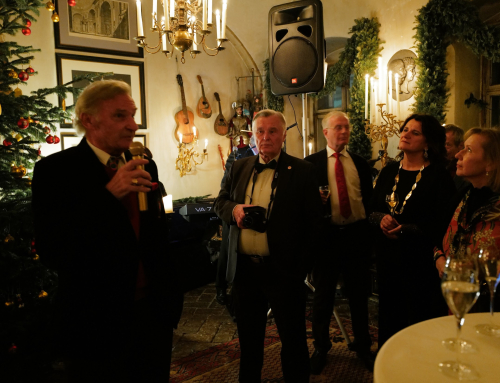
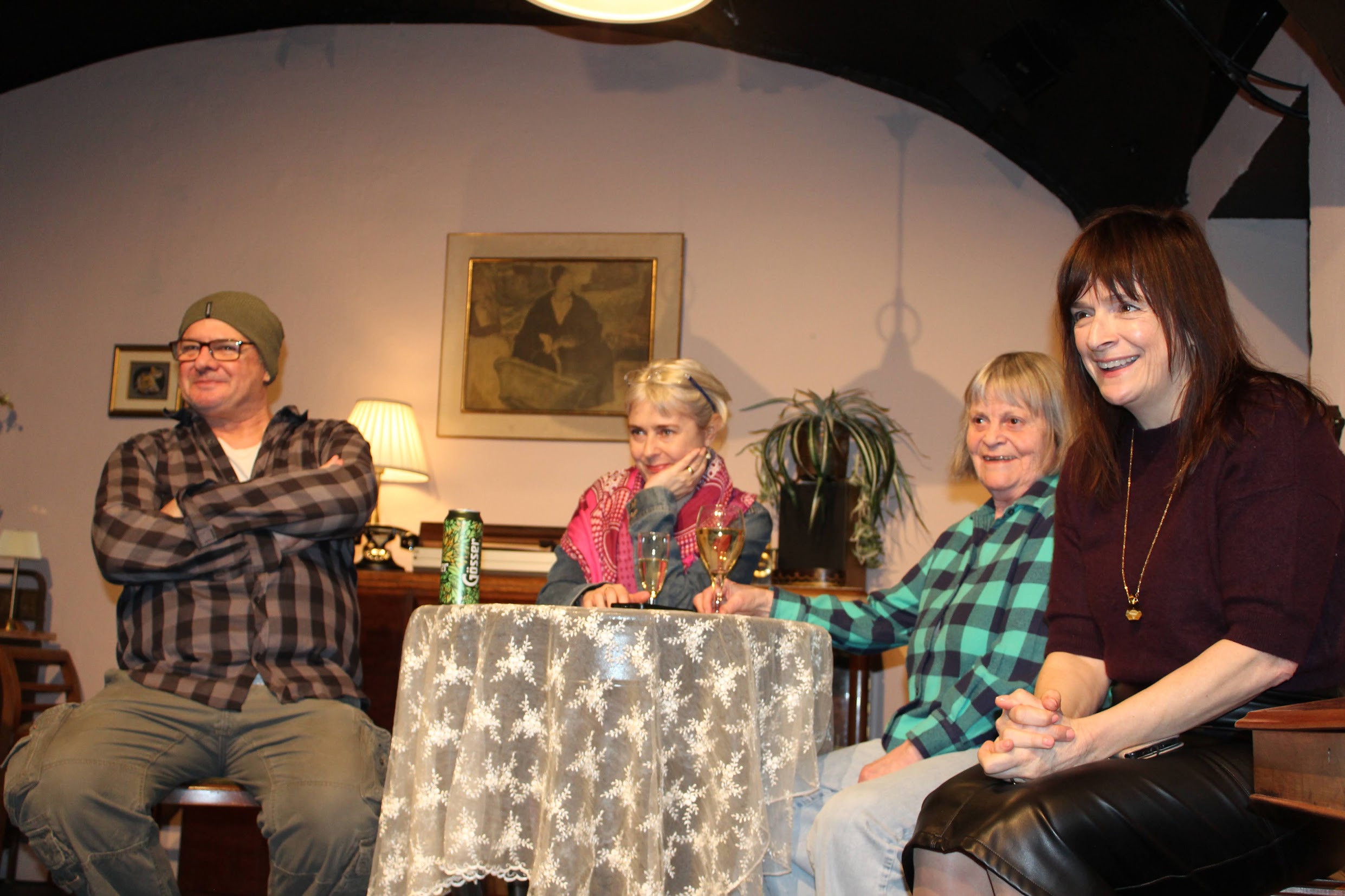
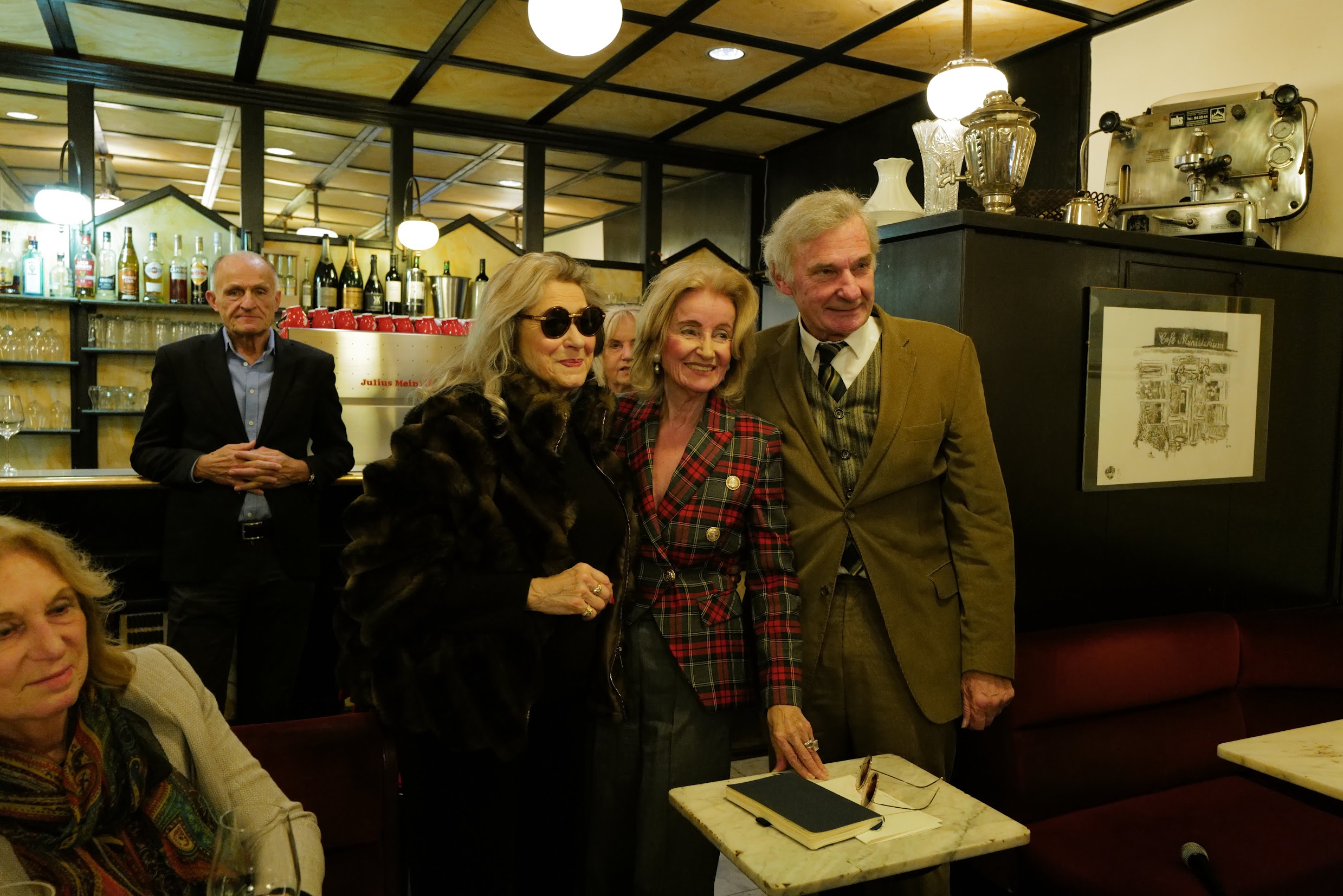
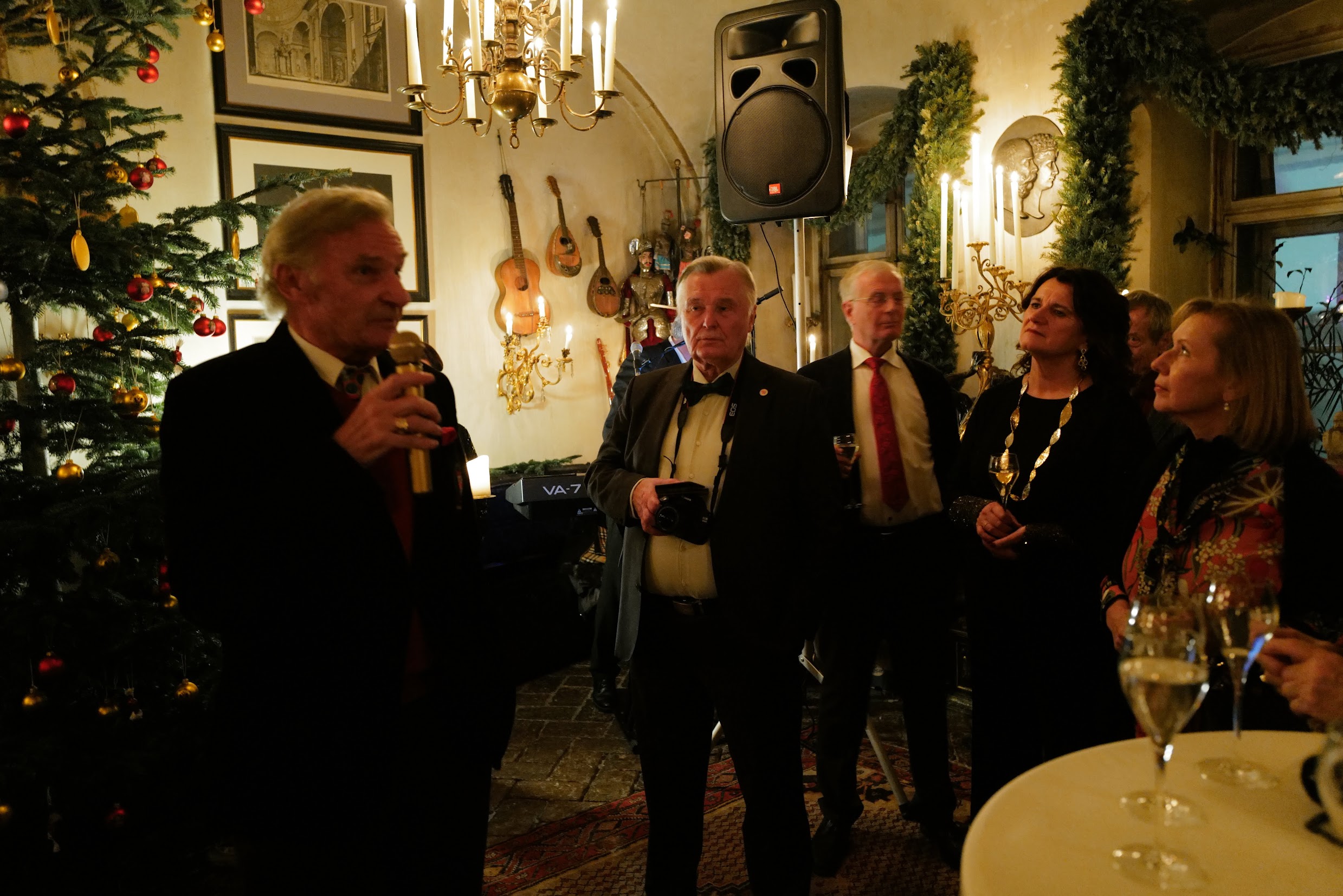
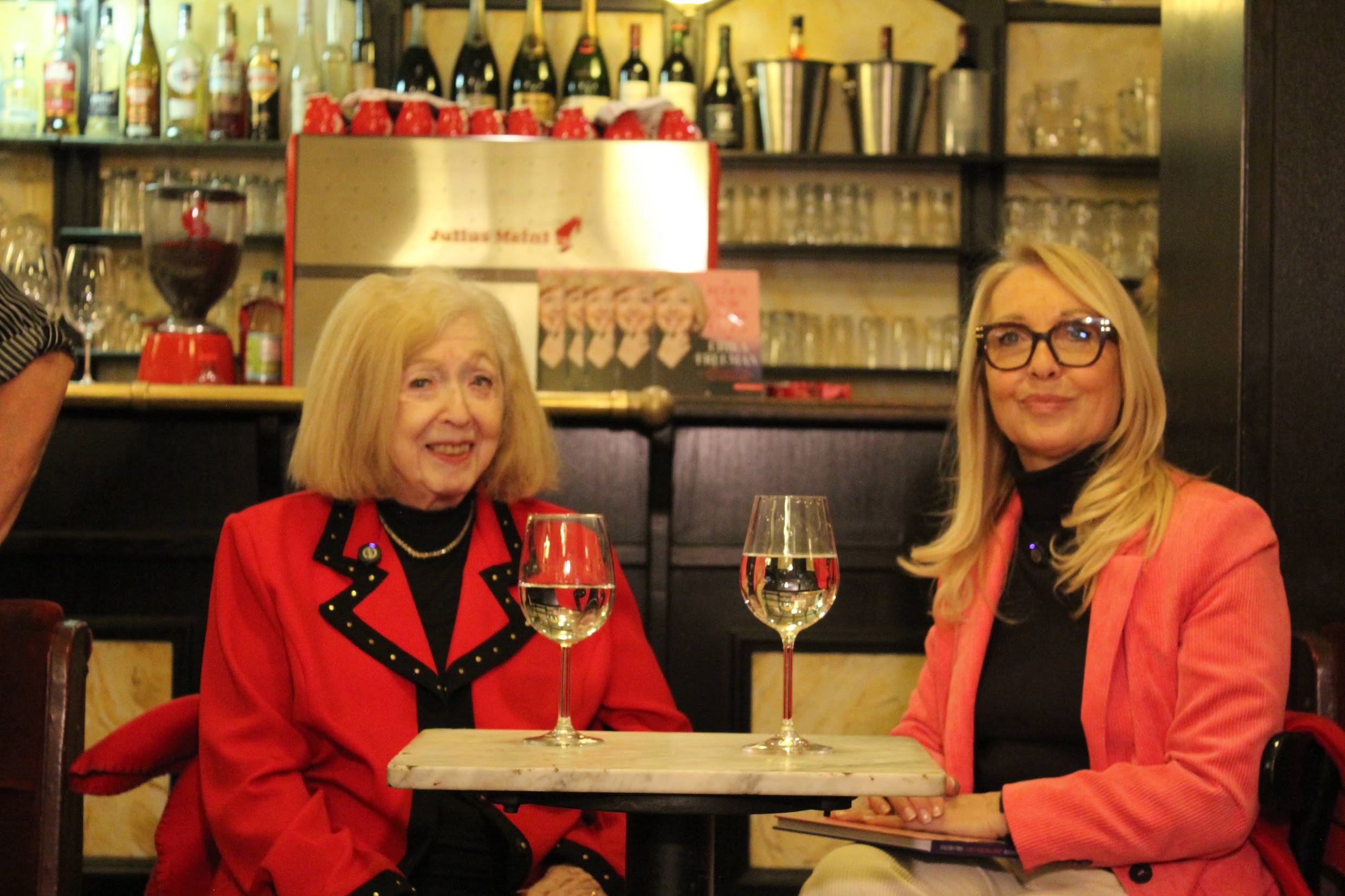
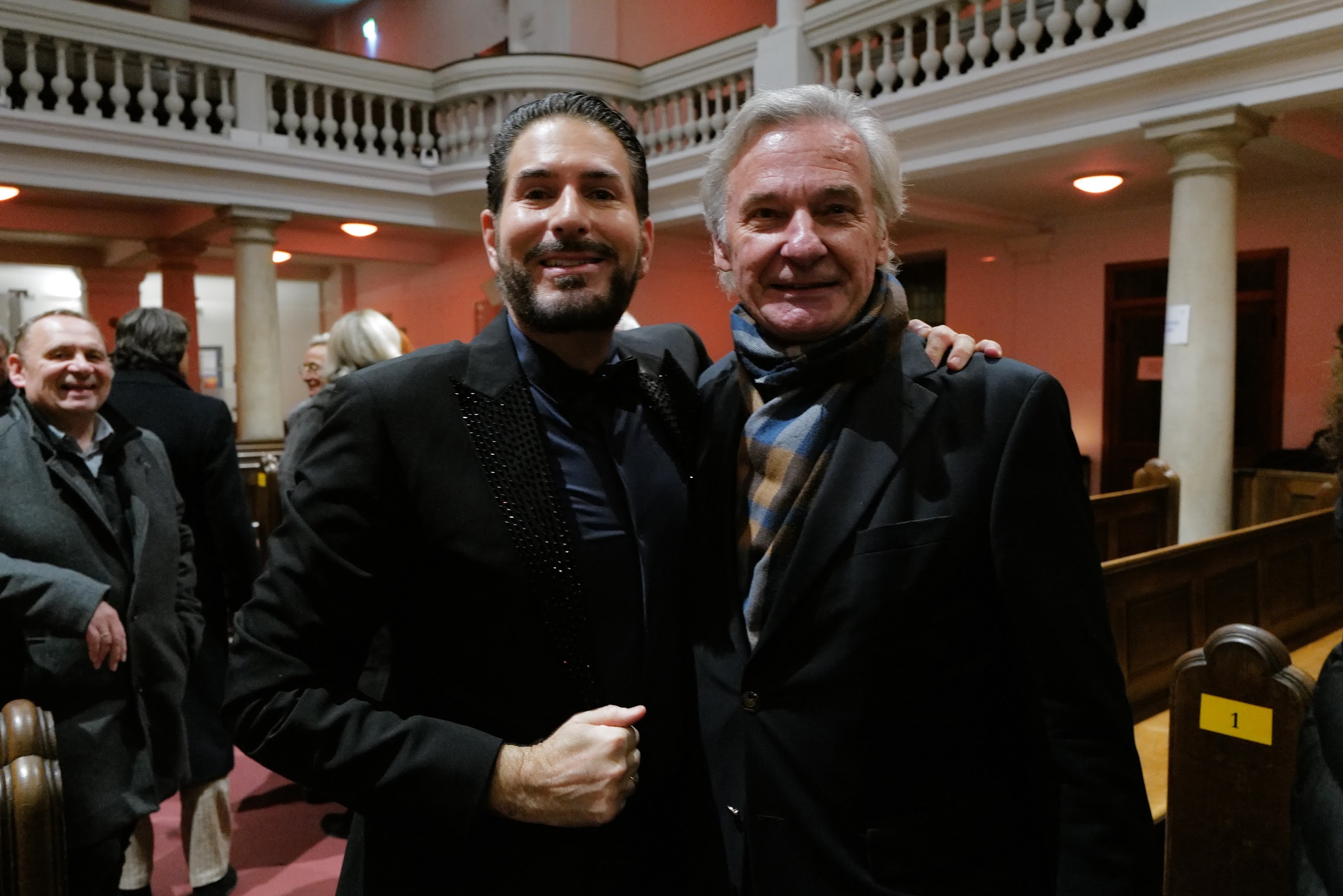
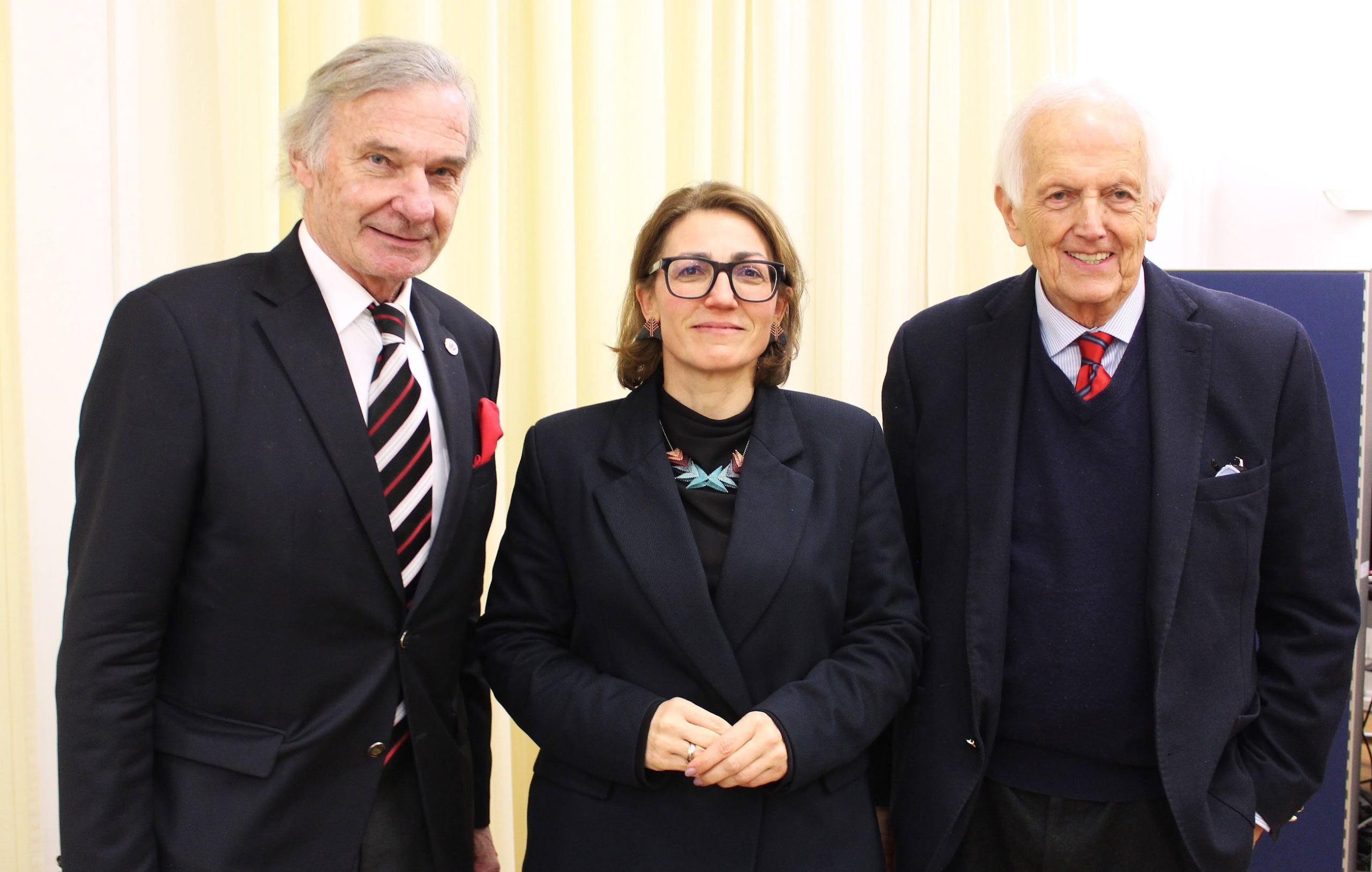
(Photos: © Wolfgang Geissler and Wolfgang Menth-Chiari)
By Wolfgang Geissler
A World in Accelerating Transition
The first lecture of the new year opened under a sense of unmistakable gravity. The world no longer moves in slow, predictable cycles but in abrupt, often unsettling leaps. Crises erupt with increasing frequency, alliances are tested, and assumptions that once seemed unshakeable are now openly questioned. The certainties of the post-Cold War era, and even of the transatlantic partnership as it had been understood for decades, appear to be eroding.
In this context, the presence of a strategic analyst of such calibre as Mrs. Velina Tchakarova was more than timely. Unencumbered by public office and therefore able to speak with unusual intellectual freedom, she represents a school of thought that combines geopolitical realism with analytical candour. For this very reason, the discussion was placed under the Chatham House Rules – not as a formality, but as a condition for seriousness. In an age of instant quotation, viral soundbites and performative outrage, the ability to analyse without the pressure of public positioning has itself become a scarce strategic resource.
The evening was framed by a sense of deeper unease now running through Europe, articulated in the opening words of the Society’s Vice President, Ambassador Dr. Alexander Christiani. For much of the second half of the twentieth century, the continent could rely on a relatively clear strategic architecture: American protection, a stable bipolar order, and a broadly shared understanding of what constituted democracy, alliance and threat. Even after 1989, when the Cold War ended, the assumption persisted that the liberal order had not only prevailed but would gradually universalise itself.
The End of Post-Cold-War Certainties
That assumption has collapsed. Power has returned in its raw, unadorned form – military, technological, economic and informational. The very notion of “the West” is under strain, not only from external challengers but also from internal doubts. Democratic backsliding and authoritarian temptations, even in countries long regarded as pillars of the liberal order, have become visible. The question is no longer merely where the external adversary stands, but whether the internal foundations of the system remain firm.
Between Accommodation and Illusion
Europe today oscillates between two unconvincing extremes. On the one hand, there is the temptation of submissive accommodation: the hope that by yielding, by avoiding friction, by lowering one’s strategic profile, stability might somehow be preserved. On the other, there is the reflex of rhetorical confrontation, rich in gesture and symbolism but often poor in strategic substance. Neither path offers a convincing answer to the structural shifts underway.
The brief reference to the Arctic and Greenland illustrated this dilemma. Strategic spaces are once again becoming arenas of great-power competition, driven by security concerns, technological change and access to critical resources. Yet Europe’s response appears hesitant and fragmented, torn between asserting sovereignty, relying on transatlantic protection and lacking a coherent long-term strategy of its own.
Against this backdrop, the lecture was conceived not as a rehearsal of familiar talking points, but as an exercise in foresight. Genuine strategic analysis, it was argued, requires the courage to look beyond the daily news cycle and to ask uncomfortable questions about future trajectories. Where is the international system heading? What kind of order is replacing the one that is visibly fading? And what does this mean for Europe – and for a country such as Austria, whose identity and security doctrine have long been shaped by neutrality and by the memory of the first Cold War?
A Strategic Diagnosis: From Multipolarity to Bifurcation
What followed was therefore not a set of ready-made answers, but a strategic diagnosis delivered by Mrs. Velina Tchakarova. European security, she argued, can no longer be assessed in isolation. It must be understood as part of a profound transformation of the global system itself.
Her first and most fundamental thesis challenged one of the dominant clichés of contemporary discourse: the notion that the world is becoming “multipolar”. In her view, the emerging order is not a loose constellation of many comparable centres of power, but a process of bifurcation. Two systemic constellations are taking shape. One remains centred on the United States and its network of allies. The other is increasingly defined by a strategic coordination between China and Russia. The international order is not dissolving into many poles; it is reorganising around two competing power complexes.
This bifurcation, she stressed, is not primarily ideological. Unlike the twentieth-century Cold War, the present confrontation unfolds within a largely shared global capitalist framework. It is not communism versus liberal democracy, but competing models of state-capitalism, technological control and geopolitical hierarchy. The decisive arenas are no longer class struggle or doctrine, but industrial capacity, technological leadership, control of strategic corridors and the ability to deny rivals access to critical domains.
Cold War 2.0 and the Fourth Industrial Revolution
At the heart of this competition lies what she described as Cold War 2.0, driven by the Fourth Industrial Revolution. Artificial intelligence, space infrastructure, cyber capabilities, energy systems, data centres, undersea cables and access to critical raw materials are becoming as strategically decisive as armies and fleets once were. Power in the twenty-first century is increasingly defined by who controls – or can deny others control over – these technological and infrastructural foundations.
Russia, China, and the Systemic Challenge to Europe
The strategic alignment between Beijing and Moscow, she argued, is often underestimated in the West. It did not arise opportunistically in 2022 but has been evolving for more than a decade, rooted in a shared assessment that the post-Cold War order, shaped under American primacy, would eventually be contested. China’s long-term ambition to become the world’s leading economic and technological power implied an eventual systemic confrontation. Russia, facing relative decline and seeking to secure its status as a great power, chose to position itself on the Chinese side of this emerging divide.
From this perspective, the war against Ukraine is not an isolated regional conflict but a central episode in a broader restructuring of the international system. Three strategic objectives were identified: the subjugation of Ukraine in political, economic and societal terms; the deliberate destruction of the European security architecture that emerged after 1991; and Russia’s attempt to secure a favourable position within the future global order by demonstrating its willingness to use force and to revise borders.
Hybrid Warfare and the Illusion of Neutrality
Equally important is the nature of the warfare being waged. It is not confined to the battlefield. Hybrid or “grey-zone” warfare has become the dominant mode of systemic competition. Everything that constitutes a dependency can be weaponised: energy supplies, trade flows, financial systems, technological standards, information space, migration routes, even psychological resilience. Neutrality, in this environment, offers no protection. Hybrid operations do not respect legal status; they exploit vulnerabilities. To assume that formal non-alignment shields a society from pressure is a dangerous illusion.
Europe’s Strategic Downgrading
Europe, it was argued, has already paid a strategic price for failing to anticipate this transformation. Since 24 February 2022, it has effectively been relegated to the status of a second-order geopolitical actor. The very fact that a major war could erupt on the continent without Europe being able to prevent it marked a profound loss of strategic agency. At the same time, the United States has begun to reorient its primary strategic focus toward the Indo-Pacific, where the long-term systemic contest with China will be decided.
This does not imply American disengagement from Europe, but it does mean a shift in priorities. Washington seeks stability on the European theatre in order to avoid a simultaneous two-front confrontation. From this logic flows a renewed emphasis on deterrence, on the stabilisation of NATO’s eastern flank and on the emergence of what may become a new Iron Curtain – less ideological than the old one, but no less real in military and political terms.
Strategic Autonomy or Strategic Reality?
Within this setting, Europe faces an uncomfortable reality. The much-invoked concept of “strategic autonomy” remains, for the time being, largely aspirational. A continent of ageing societies, fragmented political will and limited readiness to project hard power cannot rapidly transform itself into a fully autonomous strategic actor. Resources matter, but so do mentality, demographic trends and societal willingness to bear the costs of security.
Austria and the Limits of Non-Alignment
For Austria, these dynamics are particularly consequential. Neutrality once constituted a geopolitical asset, anchored in the specific configuration of the first Cold War and in the country’s position at the interface between two blocs. In a world of systemic bifurcation and hybrid warfare, that geographical advantage risks turning into a strategic liability. A neutral state embedded in an integrated European economy and information space cannot insulate itself from pressure yet may find itself excluded from the core structures where security decisions are taken.
The Unavoidable Question of Alignment
The deeper issue is the inevitability of choice. In a bifurcating system, non-alignment becomes increasingly difficult to sustain. The narrative of remaining equidistant from all major power centres while simultaneously enjoying the benefits of open markets, technological integration and security guarantees is unlikely to survive the coming decades. Alignment, whether explicit or implicit, becomes a matter of strategic survival rather than ideological preference.
A Continent in Debate
These themes were taken up and further explored in the discussion that followed. The central concern was Europe’s positioning in a world no longer shaped by benign globalisation but by rivalry, pressure and the return of power politics. Participants questioned whether Europe is prepared – politically, mentally and institutionally – for the realities of a bifurcating international system.
The Transatlantic Anchor
Particular attention was paid to the transatlantic relationship in light of the increasingly transactional and confrontational style of American politics. Could Europe afford to alienate the United States, even temporarily, when its security, energy supply, technological infrastructure and access to global markets remain so deeply intertwined with American power? The answer was sober: whatever the rhetoric on both sides of the Atlantic, Europe today is, in strategic terms, more dependent on the United States than it was before the war in Ukraine – in energy, advanced technologies, defence capabilities, intelligence, space assets and maritime security. Alignment with the transatlantic system is therefore not a sentimental choice, but an existential one.
Strategic Corridors: Arctic, Space, Resources
The Arctic and Greenland emerged as symbols of renewed great-power competition, not only because of resources, but because of their role in early-warning systems, satellite infrastructure, undersea cables and the shortest strategic routes between nuclear powers. Here, the logic of strategic denial again proved central: what matters is not necessarily permanent dominance, but the ability to prevent rivals from establishing uncontested access. The militarisation of connectivity itself has become a defining feature of the new era.
Questions about rare earths, energy security and technological dependence reinforced this point. In an age of artificial intelligence and cloud computing, control of supply chains and stable energy flows may be as decisive as nuclear arsenals once were. Yet fatalism was rejected. Many critical resources are not geologically scarce, but politically and socially constrained. The real question is whether European societies are willing to accept the environmental, industrial and political costs of securing them. Autonomy is possible, but it is expensive and incompatible with the illusion of painless prosperity.
Deterrence in the Age of Cyber and Space
The changing nature of deterrence was also explored. Nuclear weapons still impose a ceiling on direct great-power war, but cyber operations, space warfare and the vulnerability of satellites and digital infrastructure have blurred the boundary between peace and conflict. Modern deterrence is increasingly multi-domain, combining land, sea and air power with cyber, space and information warfare. In such an environment, neutrality offers no shield.
Europe’s Inner Fault Lines
Attention then turned inward to the European Union itself, to its internal fractures and divergent threat perceptions. States on the eastern flank, with direct historical experience of Russian domination, view the stakes differently from those farther west. In periods of systemic confrontation, alignment is rarely an abstract choice; it is shaped by geography, vulnerability and the instinct for survival. The danger lies not only in division, but in the creation of strategic vacuums – spaces of ambiguity that external powers are quick to exploit.
The End of Comfortable Ambiguity
Throughout the discussion, one conclusion gradually crystallised. Europe’s predicament is not primarily one of lacking options, but of lacking readiness to confront the implications of those options. The age of comfortable ambiguity is drawing to a close. In a world structured by systemic rivalry, the costs of indecision may ultimately exceed the costs of alignment.
A Call for Strategic Maturity
In the closing reflections, the perspective widened once more, led again by Vice President Ambassador Dr. Alexander Christiani. What had unfolded was not merely an exchange of views on current events, but an attempt to grasp the contours of a historical turning point. The analysis had been demanding and at times unsettling, yet precisely for that reason indispensable.
One of the most striking features of contemporary Europe is the gap between the gravity of the strategic environment and the psychological comfort in which much of the public debate still takes place. For decades, peace, prosperity and security were treated as almost natural conditions, guaranteed by structures that seemed permanent and by alliances whose durability was rarely questioned. The return of systemic rivalry and power politics now challenges these assumptions at their core.
Strategic foresight begins with intellectual honesty: the willingness to recognise decline where decline is occurring, vulnerability where vulnerability exists and illusion where illusion has taken root. Europe, and Austria within it, can no longer afford the luxury of assuming that history has been “solved” and that the future will simply extend the patterns of the recent past.
The Chatham House framework under which the evening had taken place was recalled not as a procedural detail, but as a symbol of what is increasingly needed in democratic societies: spaces in which complex, controversial and uncomfortable issues can be discussed without the distortions of polemics, instant judgement and political posturing. In an age of polarisation and strategic communication, genuine reflection has itself become a scarce and precious resource.
Looking ahead, Europe faces a dual task. Externally, it must come to terms with a world in which power, deterrence and technological superiority once again shape the hierarchy of states. Internally, it must overcome a reluctance to speak openly about the costs of security, the limits of neutrality and the responsibilities that accompany freedom and prosperity. Neither task can be fulfilled by rhetoric alone. Both require a gradual but profound change in mindset.
For Austria, the implications are particularly sensitive. A country whose post-war identity has been deeply linked to neutrality and mediation now finds itself in a continent where lines of confrontation are hardening and where ambiguity may be interpreted less as prudence than as weakness. To reflect on this does not mean to abandon tradition lightly, but to test it against a strategic environment fundamentally different from that of the twentieth century.
Realism without Fatalism
The evening closed on a note that was sober but not fatalistic. History is not a mechanical process. Trends are powerful, but they are not destiny. Europe has, in the past, demonstrated an extraordinary capacity for recovery, adaptation and renewal when confronted with existential challenges. Whether it will do so again depends on its ability to combine realism with resolve: to acknowledge the world as it is, without surrendering the ambition to shape the world as it ought to be.
***